Lessons From The Anthropic and OpenAi's Superbowl Ad Feud
Matt Bond
AI & Innovation Strategist
Feb 5, 2026
Most brands try to avoid damage.
The smart ones let it happen.
They allow criticism to land in public.
They resist the urge to explain themselves immediately.
They do not panic when the narrative drifts out of their control.
And somehow, they end up stronger.
That is the difference between fragile brands and antifragile ones.
Fragile brands treat every jab as a threat. They defend, clarify, lawyer up, and issue statements. The harder they work to protect the brand, the more attention they draw to its weakest points.
Antifragile brands stay calm. They absorb the hit. Sometimes they even lean into it. They understand something most companies still resist: attention often works in your favor when you do not flinch.
You see this pattern everywhere once you notice it.
Domino’s publicly admitted its pizza was bad and sales went up.
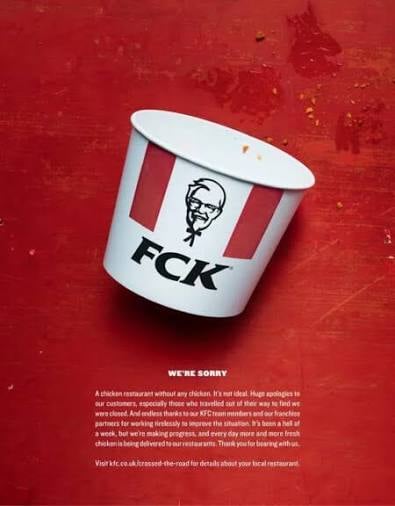
KFC turned a national supply-chain failure into a single word and earned years of goodwill.
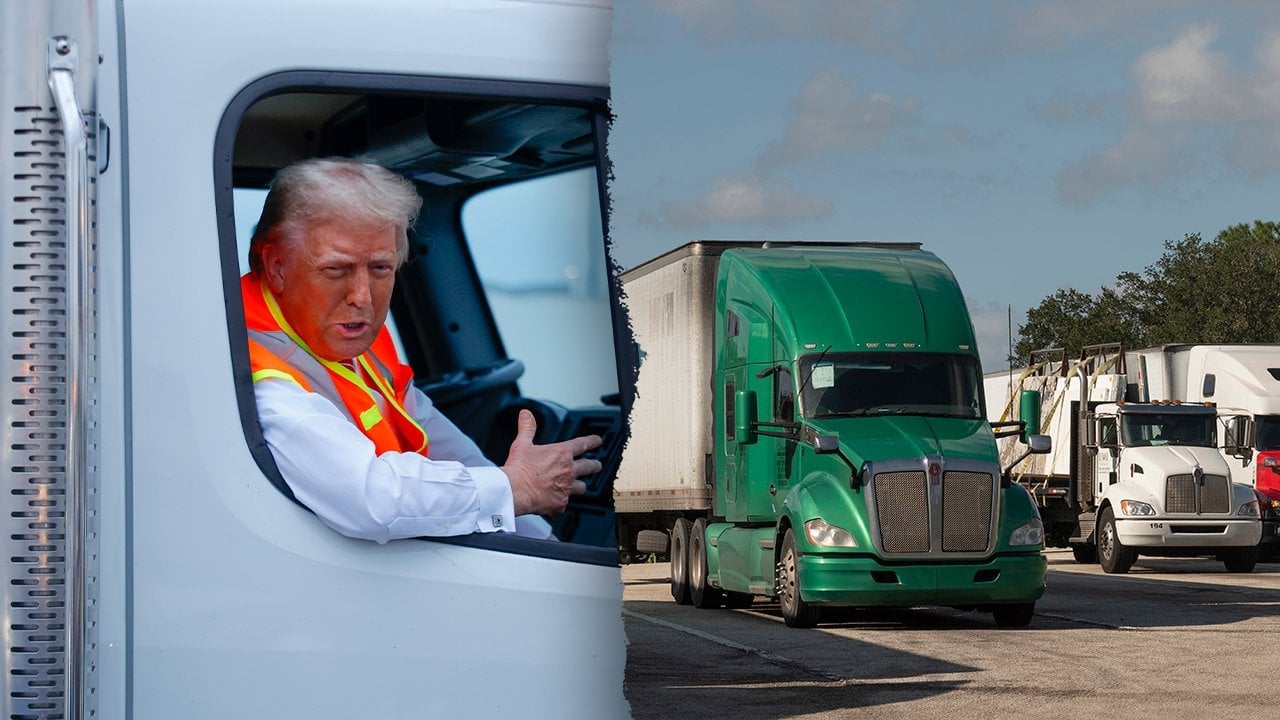
Even Donald Trump, mocked endlessly, dressed up as a garbage man and drove the truck himself, turning ridicule into spectacle and control.
Which is why the most interesting brand moment of Super Bowl week 2026 had nothing to do with celebrities or production value. It was a simple test of composure. One company made a joke. Another showed how much it bothered them.
What Anthropic Actually Bought
Anthropic’s first Super Bowl campaign was straightforward and precise.
Each spot followed the same structure:
A vulnerable human question
Thoughtful advice that slowly turns into a sales pitch
A closing line: “Ads are coming to AI. But not to Claude.”
The ads did not go after OpenAI’s technology. They did not debate benchmarks or intelligence. They did not even show a chatbot screen.
They focused on a feeling people already understand. The moment you realize the help you are getting comes with an agenda.
Most people do not have strong opinions about AI monetization. But everyone recognizes that moment of discomfort. Anthropic built the campaign around that truth.
Then OpenAI Responded
CEO Sam Altman posted a long thread calling the ads dishonest, accusing Anthropic of doublespeak, and labeling the campaign authoritarian. OpenAI’s CMO followed shortly after with her own response.
One publication captured the reaction perfectly. The San Francisco Standard wrote that the response “kind of sounded like something AI would say.”
Oof.
The Incentive Trap
From OpenAI’s point of view, the ads touched a real issue.
At massive scale, free products need to be subsidized. Ads are a logical solution. This is not a moral failing. It is basic economics.
But Anthropic shifted the conversation away from economics and toward trust. Once that happened, OpenAI found itself defending a rational decision inside an emotional frame.
That is a hard place to argue from.
By escalating, OpenAI extended the life of the campaign. Every article covering the response replayed the ads and restated the ad-free promise.
Anthropic paid for airtime.
OpenAI supplied the amplification.
Why Humanity Mattered More Here
This moment called for something simple and rare: a human response.
That matters more for AI companies than almost any other category.
These brands are asking people to trust systems that speak, advise, and reason like humans. Every interaction already carries a subtle tension between machine and person.
When an AI company responds with abstract language, corporate framing, or ideological posturing, it sounds mechanical. Robotic. Hell...it sounds artificial!
That is why the San Francisco Standard comment resonated. It cut straight to the category’s biggest vulnerability.
A self-aware, humorous reply would have done the opposite. It would have reminded people that there are humans behind the models who understand irony and can take a joke.
Anthropic’s ads felt human.
OpenAI’s response felt processed.
That contrast mattered more than any technical comparison ever could.
What an Antifragile Response Could Have Looked Like
OpenAI posts this:
"Yes, ads in chat can be annoying if not done thoughtfully. We are testing them to keep the free tier free at massive scale. Once we prove the model, we will let you know so you can copy it".
That is all.
Confident. Relaxed. A little cocky.
The story fades in two days.
Or go further.
Release a parody ad. Have ChatGPT issue a formal apology for ads, only to be interrupted mid-sentence by brand messages. Sponsored remorse. An apology that cannot stop monetizing itself.
Make the joke better than the original.
At that point, you are not defending yourself. You are driving the conversation.
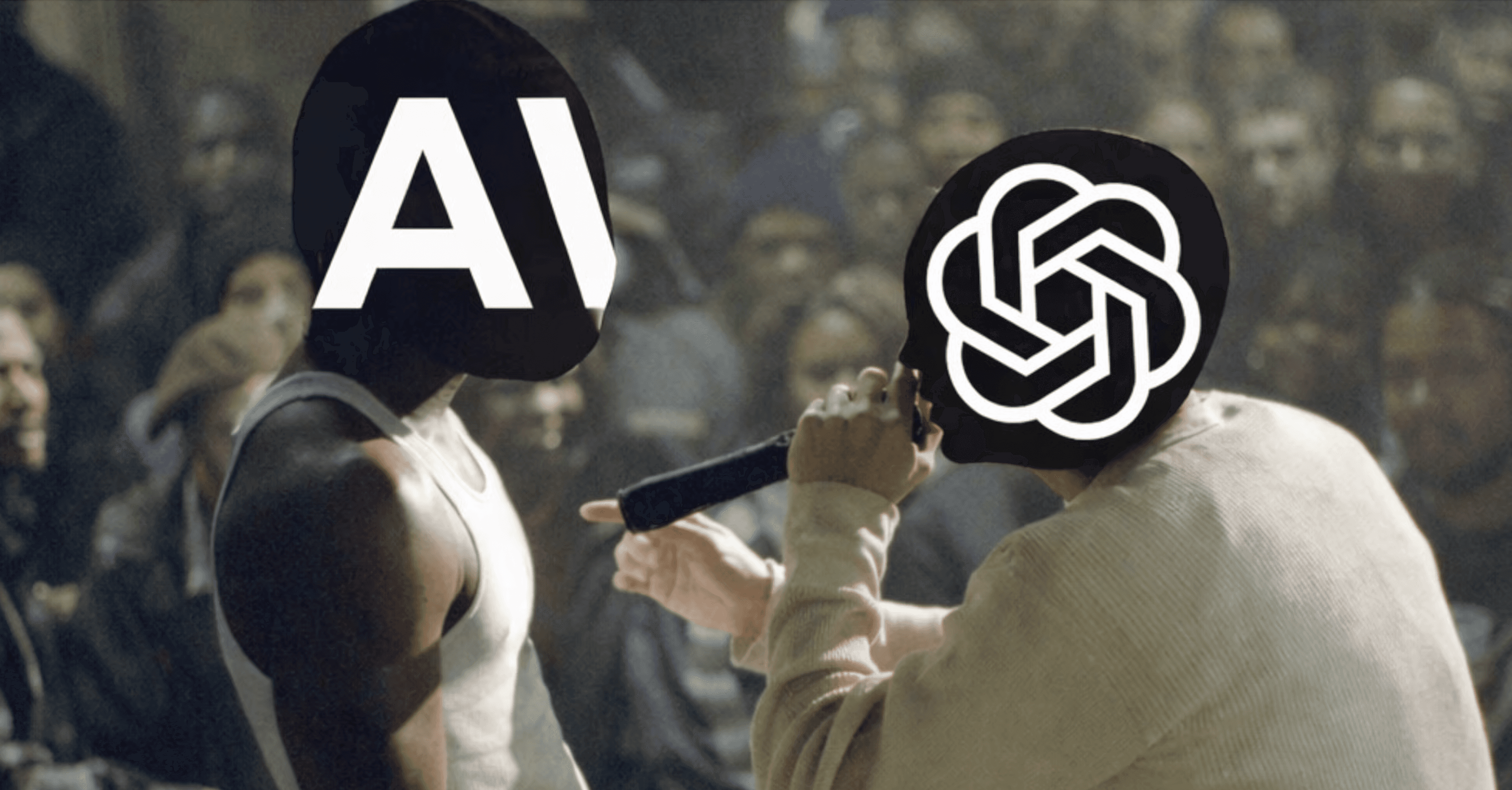
That instinct is the same one Eminem used in the final battle of 8 Mile. He named every insult before his opponent could. There was nothing left to weaponize.
Why This Applies to Every Brand
This story is not really about AI or the Super Bowl.
Every brand eventually faces a moment like this.
A competitor lands a clean hit.
A joke exposes a real tradeoff.
The audience laughs because it rings true.
In that moment, you choose.
You can protect the image.
Or you can absorb the hit.
One path extends the damage.
The other builds credibility.


